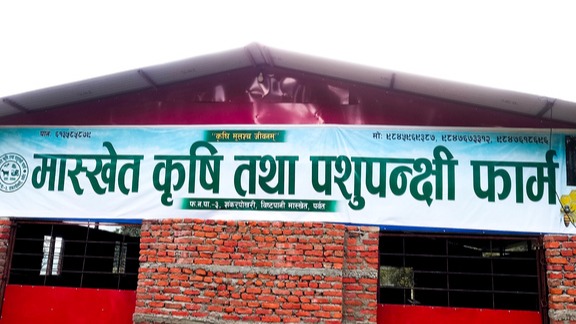
Maskhet Agriculture and Livestock Farm (commonly known as Maskhet Agro) is a modern agricultural and livestock enterprise based in Bishtapani Maskhet, Ward No. 3, Falewas Municipality, Parbat District, in Nepal's Gandaki Province. The farm was established with the vision to transform traditional goat farming practices into a modern, sustainable, and profitable agribusiness
Our Vision
“To become a leading and model livestock and agriculture enterprise in Gandaki Province by its 10th anniversary—promoting sustainable farming, modern livestock practices, and local economic development.” 📌 Key Elements of the Vision: ✅ Leadership: Set an example in the livestock sector through innovation, efficiency, and professionalism. ✅ Modernization: Replace outdated traditional methods with scientifically backed, technology-driven farming systems. ✅ Sustainability: Promote environmentally friendly practices that ensure long-term productivity and balance with nature. ✅ Community Empowerment: Create employment opportunities locally and reduce youth migration by building a strong rural economy. ✅ Food Security: Contribute to Nepal’s food system by increasing the availability of high-quality meat, milk, and crops.
Our Mission
“To modernize traditional goat farming by integrating scientific techniques and sustainable practices, while generating employment, promoting food security, and supporting rural development in Nepal.” 📌 Key Components of the Mission: ✅ Modern Livestock Management: Apply scientific breeding, health care, and record-keeping to improve goat productivity and quality. ✅ Sustainable Agriculture: Promote eco-friendly farming practices using locally available resources, minimizing waste, and protecting the environment. ✅ Employment Generation: Create job opportunities in rural areas to reduce youth migration and boost local income. ✅ Food Security & Nutrition: Increase the production and availability of meat, milk, and organic crops to contribute to Nepal’s food system. ✅ Capacity Building: Provide training, awareness, and support to farmers, especially youth, to adopt modern farming as a profession. ✅ Self-reliance: Reduce dependence on imported meat and animal products by producing quality livestock domestically.
Our Journey
Maskhet Agro was founded in Bishtapani Maskhet, Falewas–3, Parbat with the aim of modernizing traditional goat farming that had been practiced by the local community for over 30 years. Officially registered on 2077/05/19 B.S., the farm began with just 7 goats and has grown into a diversified agriculture and livestock business with over 50 breeding goats, in-house feed production, and activities in goat milk, poultry, beekeeping, and crop cultivation. Led by Suraj Sapkota, the farm continues to promote sustainable agriculture, rural employment, and digital innovation.
Our Team
The success of Maskhet Agro is built on a passionate and hardworking team committed to transforming traditional farming into a modern, efficient, and sustainable business. Each member brings unique skills, local knowledge, and dedication to ensure the farm operates smoothly and continues to grow. 🧑💼 Key Team Roles: Founder & Managing Director – Suraj Sapkota Leads the farm with a clear vision for modernizing livestock farming, managing daily operations, and driving innovation through digital tools. Farm Manager Oversees livestock care, feed management, and overall farm operations, ensuring healthy animals and efficient routines. Branch Supervisor Manages field-level activities, worker coordination, and ensures that practices are followed correctly on-site. Accountant/Administrator Handles financial records, billing, budgeting, and maintains all administrative paperwork in compliance with regulations. Sales & Marketing Officer Promotes farm products and services, builds partnerships, and connects with customers and local markets. Reception & Customer Support Provides information and service to visitors, farmers, and customers; manages communication and public inquiries. Together, the team shares a common goal—to establish Maskhet Agro as a model farm in Gandaki Province and beyond.
Gallery